How Swartz Engineering’s Metal Oxide Surge Arrestors Fit DC Distribution Systems

Electrical systems that distribute direct current can face temporary overvoltages from lightning, switching activity, and other transient events. Surge protection planning begins by identifying the equipment to protect, the system’s operating conditions, and how the protective device will connect to the installation.
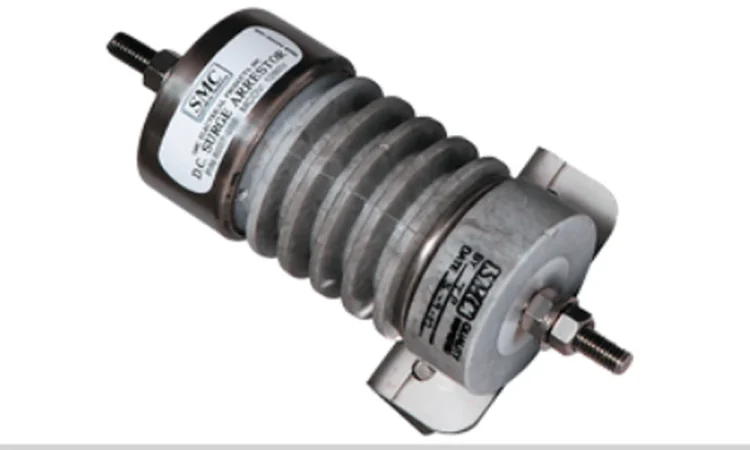
Swartz Engineering lists metal oxide surge arrestors for DC distribution systems used in transit, industrial, and mining applications. Its product information describes potential mounting locations such as rectifiers, substations, DC feeders, catenary poles, the power rail, and vehicles. These examples show why the same broad category of component may need to be considered in different parts of a DC power network.
Start with the protected equipment
A surge arrestor is intended to limit the effect of overvoltage on connected equipment. The first planning question is practical: which device or part of the system needs protection? The answer helps engineers consider where an arrestor belongs in relation to the equipment and what installation details apply.
Swartz Engineering’s product guidance says the arrestor should be mounted as close as possible to the device it protects. It also notes that the unit’s orientation and the conductor connected to it matter. These details should be checked against the product documentation and the electrical design for the specific installation; a general product page cannot replace project-specific engineering review.
Match the device to system conditions
The page identifies maximum continuous operating voltage, or MCOV, as a basis for arrestor selection. That makes the system’s normal operating voltage an important input for the design team. Engineers also need to review the product’s available rating and configuration information against the conditions at the installation point.
Grounding and connection details deserve attention as well. Swartz Engineering’s guidance specifies that, when grounded, the connection should be less than five ohms. The appropriate conductor size should account for anticipated surges. These are product-specific considerations, so project teams should confirm the applicable requirements in the current datasheet rather than relying on assumptions from another system.
Keep application context in view
A DC feeder, substation, and vehicle can present different installation constraints even when each is part of a broader DC distribution network. Transit, industrial, and mining settings also have their own equipment layouts and operating requirements. A useful review records the equipment to be protected, the operating voltage, the proposed mounting point, conductor and grounding details, and any relevant project specifications.
For teams evaluating a DC surge protection component, Swartz Engineering provides product information and a datasheet for its metal oxide surge arrestors. Reviewing those materials alongside the project’s electrical design can help clarify whether the listed device and installation details fit the system under consideration.