
Mine electrical protection is easier to review when the equipment, operating conditions, and protection goals are documented together. A ground-fault protection review gives engineering and maintenance teams a structured way to discuss how the electrical system is monitored and what information is needed before equipment is selected or adjusted.
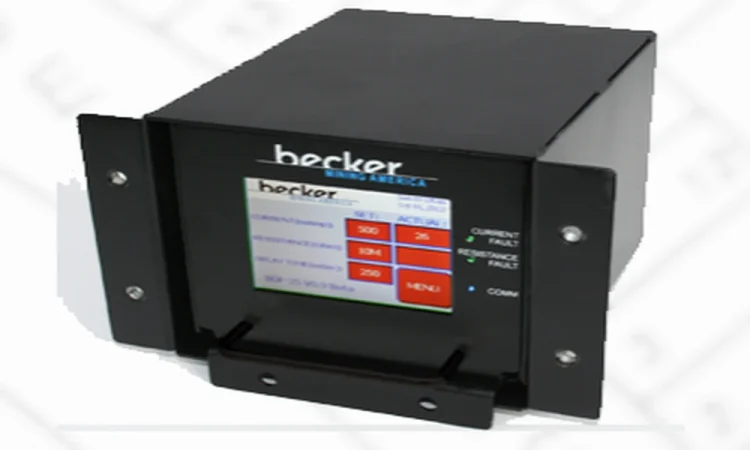
Becker Mining USA lists both ground fault relays and ground monitors among its mining components. These product categories give mine teams a starting point for a supplier conversation, while the actual protection approach must be determined for the specific system by qualified personnel.
Start With the Electrical System Layout
Before discussing devices, document the system being reviewed. Include the equipment served, the relevant voltage levels, how power is distributed, and any existing protective equipment. A current one-line diagram and equipment records can help the team establish what is installed and how the system is intended to operate.
The review should also identify the operating areas and equipment that matter to the project. A mine’s electrical arrangement may change as work areas, machinery, or distribution equipment change. Keeping the drawings and equipment list current helps prevent a discussion from relying on outdated assumptions.
Clarify What the Protection Review Needs to Address
A useful review begins with clear questions. What conditions is the system designed to detect? How are alarms or trips communicated? Which equipment is coordinated with the protective device? What inspection, testing, and maintenance records are available?
These questions help the team describe the desired function without assuming that one device or setting fits every installation. The appropriate device and configuration depend on system design, equipment details, applicable requirements, and the mine’s engineering review.
Include Maintenance and Testing in the Discussion
Protection equipment needs an ongoing plan for inspection and testing. Teams can identify who is responsible, what procedures apply, how results are recorded, and how deficiencies are followed up. They should use the equipment manufacturer’s instructions and site procedures when setting that plan.
It is also useful to keep records of system changes. Revisions to equipment, wiring, or operating conditions may affect the information engineers need when reviewing protective functions. Maintaining those records supports a more informed conversation during future maintenance or upgrade work.
Prepare a Focused Supplier Inquiry
A concise inquiry can include the system diagram, equipment details, existing devices, project goals, and questions that still need engineering review. This gives the supplier useful context and makes it easier to identify which information is missing before a product discussion advances.
Becker Mining USA’s mining components include ground fault relays and ground monitors. Mine teams evaluating those categories can contact Becker with their project information and ask for applicable product details. Final equipment selection, settings, and operating procedures should be confirmed by the responsible qualified professionals for the installation.