

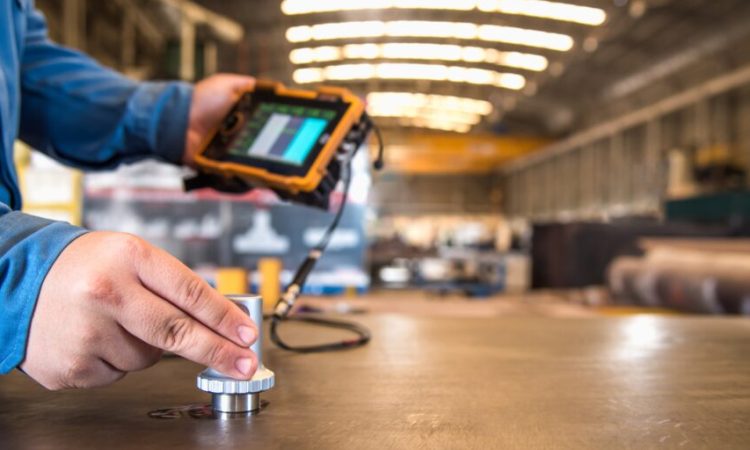
Materials are expected to perform reliably under real-world conditions, whether they are part of a bridge, a machine, a vehicle, or a household product. Yet failures still happen. When a component bends, cracks, or suddenly breaks, the consequences can range from minor inconvenience to serious safety risks. Understanding why materials fail is not guesswork. It is a systematic process rooted in mechanical testing and careful analysis.
Mechanical testing for failure analysis focuses on discovering the true cause behind material breakdown. Rather than simply confirming that something failed, this approach seeks to explain how and why the failure occurred. By recreating conditions, measuring material behavior, and interpreting test results, engineers and investigators can prevent similar problems in the future. This article explores how mechanical testing supports failure analysis, explains common failure mechanisms, and shows why this process is essential across industries.
Understanding Failure Analysis in Mechanical Testing
Failure analysis is the investigation of broken or damaged materials to identify the root cause of failure. Mechanical testing plays a central role in this process by providing measurable data about material strength, ductility, toughness, and fatigue behavior. These properties help explain how a material responded to stress before it failed.
Mechanical testing does not only apply to dramatic fractures. Gradual deformation, surface cracks, and unexpected wear are also forms of failure. In many cases, materials do not fail because they are weak, but because they were used in conditions they were not designed to handle. Mechanical testing helps separate material defects from design flaws, manufacturing errors, or misuse.
By understanding failure at a deeper level, engineers can improve material selection, adjust designs, and refine production methods. This makes mechanical testing an essential tool not only after failure occurs but also for preventing future incidents.
Why Materials Fail Under Mechanical Stress
Materials break for many reasons, and mechanical testing helps reveal the exact mechanism involved. Stress is one of the most common causes. When a force exceeds what a material can handle, failure becomes inevitable. However, the way a material fails depends on its internal structure, environment, and loading conditions.
Some materials fail suddenly with little warning, while others show visible signs such as bending or cracking before breaking. Temperature, repeated loading, and surface defects can all influence failure behavior. Mechanical testing allows investigators to simulate these conditions and observe how materials respond.
Understanding failure requires looking beyond the final break. Mechanical testing data shows how stress was distributed, how strain developed, and whether the material behaved as expected. This information is critical for drawing accurate conclusions.
The Role of Mechanical Testing in Failure Investigations
Mechanical testing provides objective evidence in failure analysis. Instead of relying on assumptions, engineers use test results to support conclusions. Tests can reproduce loading conditions similar to those experienced by the failed component, allowing investigators to compare expected performance with actual behavior.
In failure analysis, mechanical testing often focuses on properties such as tensile strength, hardness, impact resistance, and fatigue life. These tests reveal whether the material met required specifications or if it showed signs of weakness.
Mechanical testing also helps determine whether failure was caused by material defects or external factors. If test results show normal performance, the problem may lie in design or usage rather than material quality. This clarity is vital for making informed decisions and avoiding repeated failures.
Common Failure Mechanisms Revealed by Mechanical Testing
Mechanical testing helps identify different types of failure mechanisms. Each mechanism leaves distinct signs that can be detected through testing and analysis.
Brittle Failure and Sudden Fracture
Brittle failure occurs when a material breaks suddenly without significant deformation. This type of failure is especially dangerous because it offers little warning. Mechanical testing can reveal brittle behavior by showing low elongation and limited energy absorption before fracture.
Materials that appear strong under normal conditions may behave in a brittle manner at low temperatures or under high strain rates. Mechanical testing helps uncover these risks by replicating challenging environments.
Ductile Failure and Plastic Deformation
Ductile failure involves noticeable deformation before breaking. Materials stretch or bend, absorbing energy as they deform. Mechanical testing highlights ductile behavior through stress-strain curves that show gradual yielding and elongation.
In failure analysis, ductile failure often indicates overload rather than material defect. Mechanical testing helps confirm whether the applied forces exceeded the material’s capacity.
Fatigue Failure from Repeated Loading
Fatigue failure develops over time due to repeated or cyclic loading. Even stresses below the material’s maximum strength can cause cracks to grow gradually. Mechanical testing plays a key role in identifying fatigue behavior by measuring how materials perform under repeated stress cycles.
Fatigue failures often appear unexpected because the final break may occur suddenly. Mechanical testing helps trace the long-term damage that led to the failure.
Wear and Surface Damage
Wear-related failures result from friction and repeated contact between surfaces. Mechanical testing can assess surface hardness and resistance to abrasion. These tests help explain why components wore out faster than expected.
By linking wear patterns to mechanical properties, investigators can determine whether surface treatments or material changes are needed.
Sample Preparation and Its Importance in Failure Analysis
Accurate mechanical testing depends on proper sample preparation. Samples taken from failed components must represent the original material condition. Any damage introduced during preparation can affect results and lead to incorrect conclusions.
In failure analysis, samples are often taken from areas near the failure site. Mechanical testing then compares these samples with unaffected regions or reference materials. This comparison helps identify localized weaknesses or inconsistencies.
Careful handling and documentation ensure that mechanical testing results reflect the true behavior of the material, not artifacts introduced during testing.
Interpreting Mechanical Testing Data for Root Cause Analysis
Mechanical testing generates data, but interpretation is where failure analysis truly happens. Engineers analyze stress-strain behavior, fracture characteristics, and deformation patterns to build a complete picture of failure.
Test results are rarely viewed in isolation. They are combined with visual examination, service history, and environmental conditions. Mechanical testing provides the quantitative backbone that supports qualitative observations.
Interpreting results requires experience and caution. Similar test outcomes can point to different causes depending on context. Mechanical testing helps narrow down possibilities, but sound judgment is essential for accurate conclusions.
Preventing Future Failures Through Mechanical Testing
The ultimate goal of failure analysis is prevention. Mechanical testing helps identify weaknesses before they lead to repeated failures. Once the cause is understood, corrective actions can be taken.
These actions may include selecting a stronger or more suitable material, redesigning a component to reduce stress, or changing manufacturing processes. Mechanical testing verifies whether these changes improve performance.
By learning from failures, industries reduce downtime, save costs, and improve safety. Mechanical testing transforms failure analysis from a reactive process into a proactive strategy.
Industries That Rely on Mechanical Testing for Failure Analysis
Mechanical testing for failure analysis is widely used across industries. In construction, it helps investigate structural failures and material degradation. In transportation, it supports the analysis of broken components and fatigue-related issues.
Manufacturing relies on mechanical testing to understand product failures and improve quality control. Energy, medical, and consumer goods industries also depend on mechanical testing to ensure reliability and safety.
Across all these fields, failure analysis supported by mechanical testing protects both people and investments.
Challenges and Limitations in Failure Analysis Testing
While mechanical testing is powerful, it has limitations. Recreating exact service conditions can be difficult, especially when failures involve complex loading or environmental factors. Mechanical testing may not capture every variable involved in real-world use.
Another challenge is incomplete information. Service history, maintenance records, or environmental data may be unavailable. In such cases, mechanical testing provides valuable clues, but conclusions must be drawn carefully.
Despite these challenges, mechanical testing remains one of the most reliable tools for failure analysis when combined with thoughtful interpretation and experience.
FAQs About Mechanical Testing for Failure Analysis
What is the main purpose of mechanical testing in failure analysis?
The main purpose is to identify why a material failed by measuring its mechanical properties and behavior under stress. This helps determine whether the failure was due to material defects, design issues, or service conditions.
Can mechanical testing always determine the exact cause of failure?
Mechanical testing provides strong evidence, but it may not always reveal a single clear cause. Failures often result from multiple factors. Testing helps narrow down possibilities and support informed conclusions.
Is mechanical testing performed only after a failure occurs?
No. While it is commonly used after failures, mechanical testing is also used proactively during design and quality control to prevent failures before they happen.
How long does a failure analysis investigation take?
The time required depends on the complexity of the failure and the amount of testing needed. Some investigations are completed quickly, while others require extended analysis and repeated testing.
Why is mechanical testing important for safety?
Mechanical testing ensures that materials can withstand expected loads and conditions. In failure analysis, it helps identify risks and prevent similar failures, protecting people and property.
Conclusion
Mechanical testing for failure analysis is a vital process that turns material breakdown into valuable knowledge. By investigating how and why materials fail, engineers gain insights that lead to safer designs, better materials, and improved performance. Mechanical testing provides the data needed to move beyond assumptions and uncover the true causes of failure.
Through careful testing, thoughtful interpretation, and a commitment to learning, failure analysis becomes a powerful tool for progress. In a world where reliability and safety matter more than ever, mechanical testing stands as a cornerstone of understanding, prevention, and continuous improvement.