

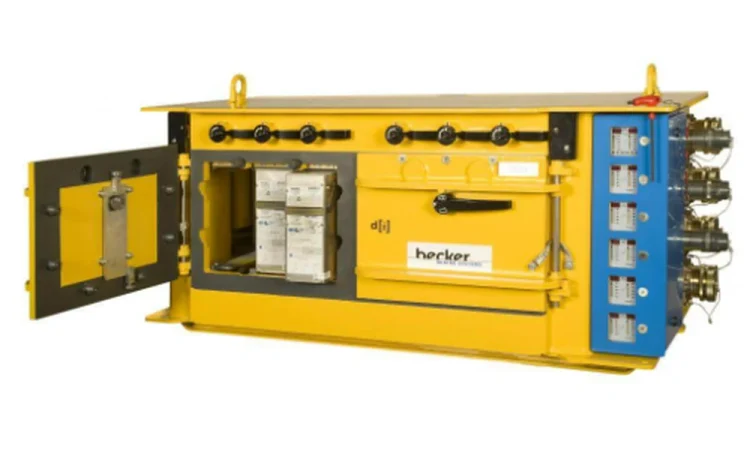
Modern electrical systems rely heavily on effective switchgear protection to maintain safety, prevent equipment damage, and ensure uninterrupted operations. Whether used in railway infrastructure, industrial facilities, or power distribution systems, switchgear serves as a critical line of defense against electrical faults. However, like any electrical component, switchgear can experience failures that compromise system performance if left unaddressed.
One of the most common issues affecting switchgear protection is insulation failure. Over time, insulation materials can degrade due to heat, moisture, contamination, or aging. When insulation breaks down, it can lead to short circuits or arc faults that pose significant safety risks. Routine inspections and preventive maintenance are essential to detect insulation deterioration early and prevent costly downtime.
Another frequent problem is relay malfunction. Protective relays are designed to detect abnormal electrical conditions and isolate faults before they cause extensive damage. Improper relay settings, software issues, or mechanical wear can result in delayed or failed fault detection. Regular relay testing and calibration help ensure that protection systems respond accurately and efficiently when needed.
Circuit breaker failures also contribute to switchgear problems. Mechanical components may wear out, lubricants may deteriorate, or contacts may be damaged after repeated operations. When circuit breakers fail to open or close correctly, the entire protection scheme can be compromised. Scheduled maintenance, timely replacement of worn components, and performance testing can significantly improve reliability.
Environmental factors often play a major role in switchgear failures. Dust, humidity, extreme temperatures, and corrosive environments can negatively impact equipment performance. Installing switchgear in controlled environments or utilizing properly rated enclosures can minimize environmental damage and extend equipment lifespan.
Another overlooked issue is inadequate maintenance planning. Many electrical failures occur simply because maintenance schedules are inconsistent or reactive rather than preventive. Implementing condition-based monitoring and predictive maintenance strategies allows organizations to identify potential failures before they become critical.
At Swartz Engineering, we understand that dependable switchgear protection is essential for maintaining safe and efficient electrical systems, particularly in demanding railway and industrial applications. By addressing common failures through proactive maintenance, routine testing, and proper system design, organizations can significantly reduce operational risks and improve overall system performance.
Investing in reliable switchgear protection not only protects valuable equipment but also supports long-term operational efficiency and workplace safety. Identifying issues early and applying the right corrective measures can make all the difference in maintaining a resilient and dependable power infrastructure.
For nearly half a century, Swartz Engineering has been at the forefront of industry safety. They are a family-owned company specializing in power distribution for the electrical industry. They are the leading manufacturer of switchgear protection. Our design ensures maximum flexibility for excellent reliability and a high return on investment.